Explore the principles of holistic wellness and discover the interconnectedness of mind, body, and spirit for sustained well-being.

Holistic well-being represents a comprehensive approach to health that recognizes the deep interconnection between mind, body, and spirit. Rather than viewing health as the mere absence of illness, holistic wellness acknowledges that true vitality emerges from the balance and harmony of all dimensions of our existence.
This integrated perspective shows that physical health, mental clarity, emotional resilience, and spiritual alignment work together. When one aspect is neglected, the others inevitably suffer. Conversely, nurturing all dimensions creates a foundation for sustained energy, longevity, and active engagement with life.
The concept of holistic well-being extends beyond individual practices. It encompasses lifestyle choices, environmental factors, social connections, and the quality of our daily habits. Understanding these interconnections allows us to make informed decisions that support our overall vitality.

Nutrition forms the foundation of physical health and sustained energy. Balanced nutrition means providing your body with the appropriate combination of macronutrients—carbohydrates, proteins, and fats—along with essential micronutrients such as vitamins and minerals.
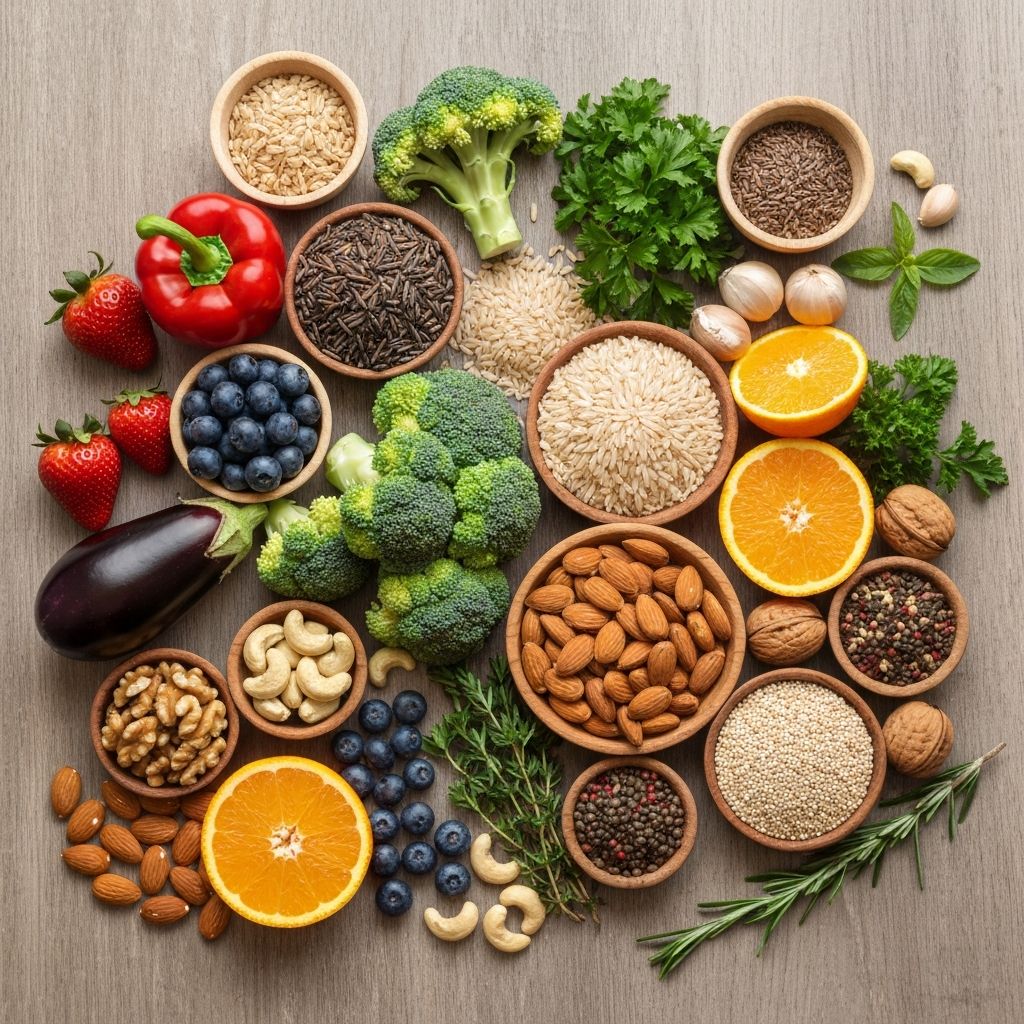
Whole foods, in their natural forms, contain complex combinations of nutrients that work synergistically within the body. Unlike processed alternatives, whole foods provide fiber, antioxidants, and phytonutrients that support optimal cellular function. The diversity of food groups—vegetables, fruits, whole grains, legumes, nuts, and seeds—ensures a broad spectrum of nutritional support.
Mindful eating represents a practice of bringing awareness and intention to the eating experience. It begins with recognizing the body's natural hunger and fullness signals—a capacity that modern eating patterns often diminish through rushed meals and distracted consumption.
This practice involves savoring food, paying attention to flavors, textures, and aromas, and understanding the emotional and physical dimensions of eating. Many individuals discover that unconscious eating patterns often stem from emotional needs rather than genuine physical hunger. By developing awareness, one can establish a healthier relationship with food.
Mindful eating also encompasses gratitude for the nourishment food provides and recognition of the effort required to bring it from source to table. This shift in perspective transforms eating from a mechanistic necessity into a conscious, intentional act of self-care.
Take time to chew thoroughly and allow the body to register fullness signals, which typically take 15-20 minutes to reach conscious awareness.
Eat without screens or other diversions that pull attention away from the food and eating experience.
Distinguish between physical hunger and emotional or habitual eating patterns to align intake with genuine bodily needs.
Regular physical activity stands as one of the most powerful interventions for supporting overall vitality and longevity. Movement provides immediate and cumulative benefits across cardiovascular, musculoskeletal, neurological, and psychological dimensions.
Physical activity strengthens the cardiovascular system, improving circulation and oxygen delivery to all tissues. Regular movement maintains muscle mass and bone density, supports metabolic function, and contributes to balanced body composition. Beyond the physical, exercise serves as a powerful tool for mental health, reducing stress, improving sleep quality, and enhancing mood through the release of endorphins and other neurochemical changes.
The key principle is consistency and finding movement that brings genuine enjoyment. Whether walking in nature, practicing yoga, swimming, dancing, or engaging in sports, the form matters less than establishing sustainable habits that integrate movement into daily life.

Chronic stress represents a significant factor affecting overall health and vitality. The body's stress response system, evolved for acute threats, becomes problematic when continuously activated by modern life's pressures. Understanding and implementing stress management techniques supports both immediate well-being and long-term health outcomes.
Natural stress reduction practices include meditation, which cultivates mental clarity and emotional regulation; deep breathing exercises, which activate the parasympathetic nervous system; spending time in nature, which has been shown to reduce cortisol levels; and establishing healthy routines that provide structure and predictability.
Regular meditation practice reduces reactivity, increases emotional resilience, and promotes a sense of calm awareness.
Conscious breathing techniques activate the relaxation response and can be practiced anywhere, anytime.
Natural environments have restorative effects, reducing stress hormones and promoting psychological well-being.
Structured daily habits provide stability and reduce decision fatigue, supporting overall emotional balance.
Sleep represents one of the most critical yet often overlooked components of health and vitality. During sleep, the body undergoes essential restorative processes, including tissue repair, immune system strengthening, and consolidation of memory and learning.
Quality sleep is intricately connected to hormonal balance, with inadequate sleep disrupting the regulation of cortisol, melatonin, insulin, and other key hormones. The duration, consistency, and quality of sleep directly influence energy levels, cognitive function, emotional regulation, and metabolic health.

Water constitutes approximately 60% of adult body weight and plays a fundamental role in virtually every physiological process. Adequate hydration supports cellular function, nutrient transportation, temperature regulation, joint lubrication, and the elimination of metabolic waste products.
The common recommendation of eight glasses daily serves as a general guideline, though individual needs vary based on activity level, climate, diet, and overall health status. Proper hydration impacts energy levels, cognitive function, physical performance, and even mood. Thirst is not always a reliable indicator of hydration needs, particularly in older individuals, making consistent water intake a practice worth establishing.
Beyond plain water, many whole foods contribute significantly to daily hydration. Fruits and vegetables with high water content, herbal teas, and other beverages all contribute to overall fluid intake. The key is developing an awareness of hydration needs and responding consistently throughout the day.
For millennia, traditional cultures have utilized natural herbs to support vitality, energy, and general wellness. These practices, developed through centuries of observation and refinement, offer valuable perspectives on plant-based approaches to health. The following information is presented for educational purposes only and represents traditional knowledge rather than medical claims.
Traditionally used in Asian cultures, ginger has been valued for its warming properties and support for digestive comfort. Historical use spans thousands of years across multiple traditions.
This flowering plant has been utilized in European and Middle Eastern traditions for promoting relaxation and supporting restful sleep. Its mild, pleasant profile makes it accessible for daily use.
Widely used across cultures, mint has traditionally supported digestive function and provided a refreshing contribution to daily wellness routines.
A cornerstone of Ayurvedic and Asian traditions, turmeric has been valued for its warming properties and general support for vitality and active movement.
Used throughout Mediterranean and Asian traditions, basil offers both culinary pleasure and historical associations with supporting general wellness and energy.
This herb appears in European traditional medicine for supporting respiratory comfort and general vitality as part of everyday wellness practices.
Historically, herbs have been incorporated into daily routines through various methods: as infusions and decoctions, creating flavorful teas; as culinary ingredients, adding both nutrition and flavor to meals; and as dried preparations for storage and year-round use.
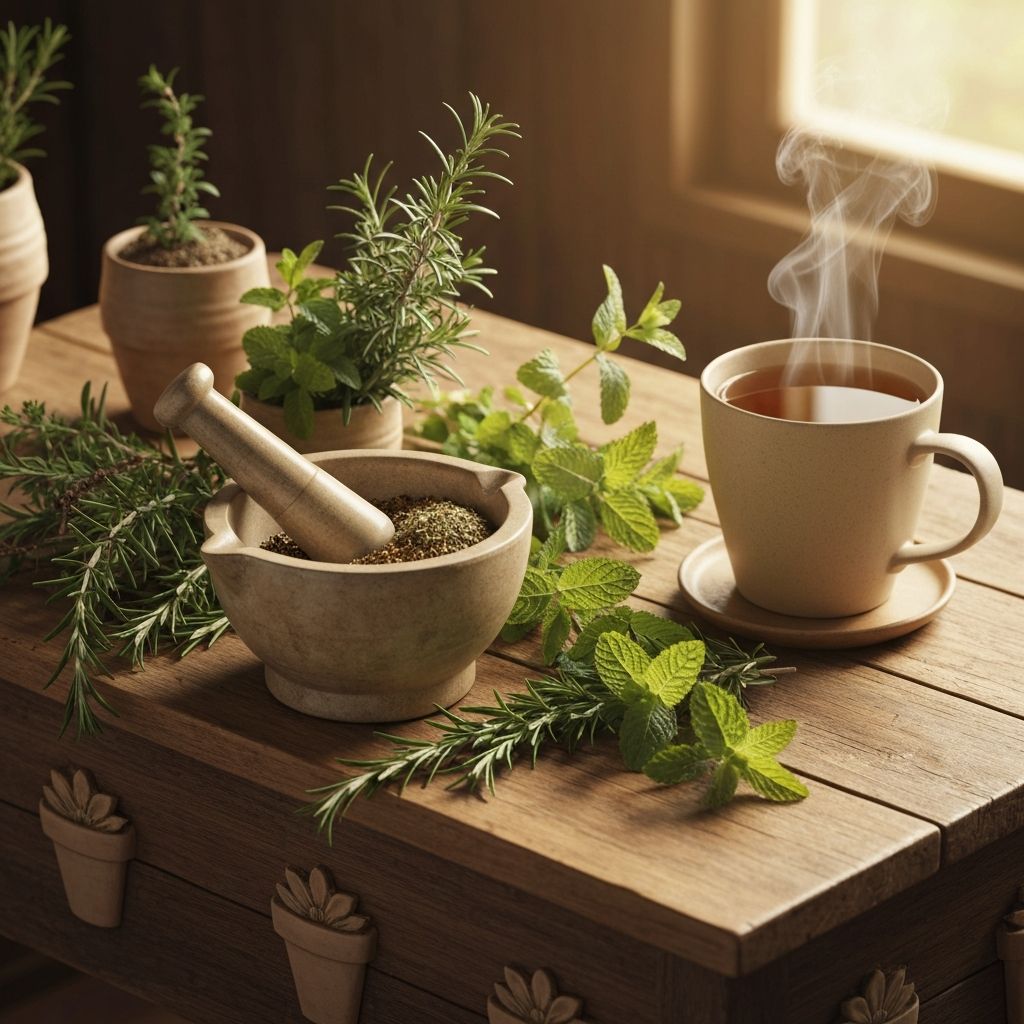
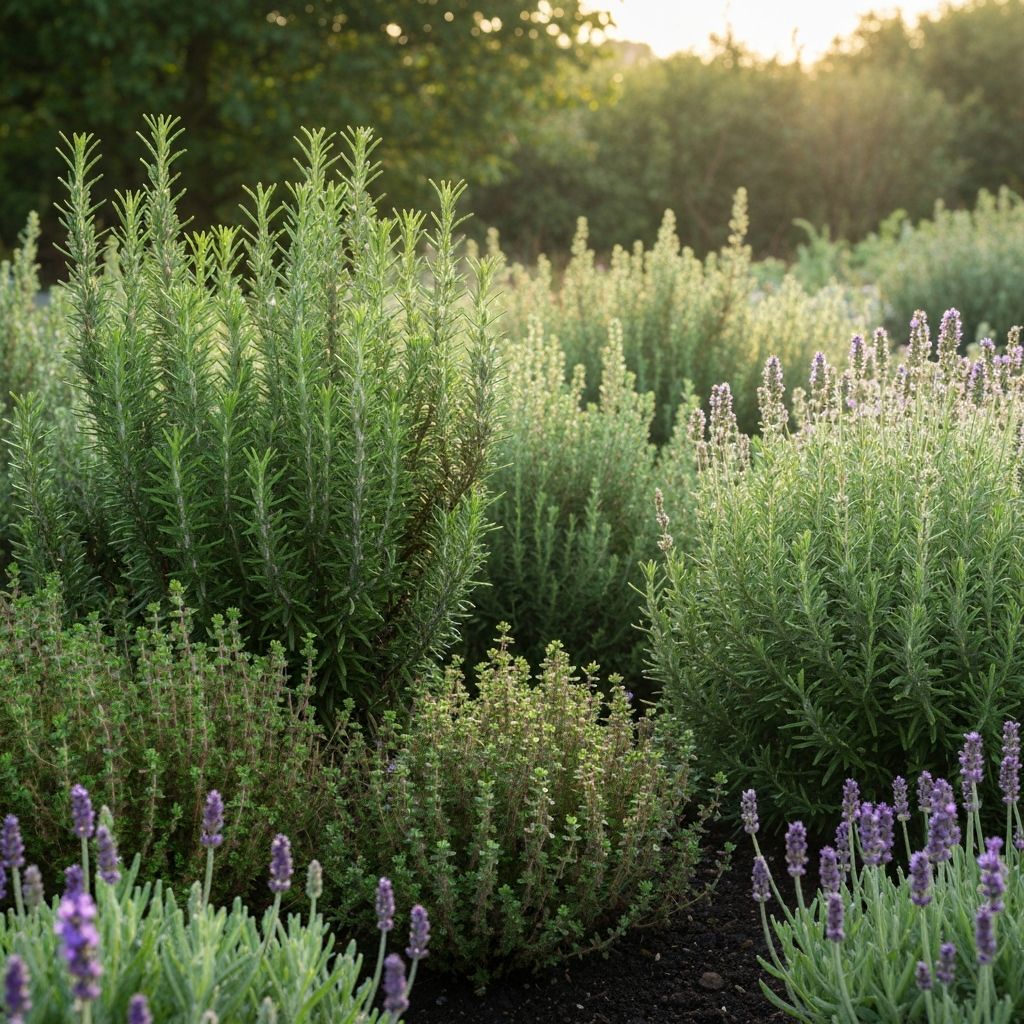
Growing herbs at home connects individuals directly with the source of their wellness practices. A simple herb garden provides fresh, aromatic plants while fostering a tangible connection to natural cycles and seasonal rhythms.
The information about herbs and their traditional uses is presented for educational and historical context only. This is not medical advice, and these herbs are not recommended as treatments for any specific condition. Individual responses to herbs vary greatly, and some may interact with medications or other substances. Consult with qualified healthcare professionals before using herbs for any health-related purpose. Always verify quality and source when obtaining herbal products.
Sustainable health and vitality emerge not from dramatic shifts but from the accumulation of small, consistent practices integrated into daily life. The science of habit formation shows that behaviors become automatic through repetition, allowing positive practices to require progressively less conscious effort.
Successful habit cultivation begins with clear intention and realistic goal-setting. Rather than attempting wholesale lifestyle transformation overnight, effective approaches involve identifying specific behaviors to integrate and implementing them gradually. This might involve beginning with a single new practice, establishing it firmly, and then building additional positive changes.

The journey toward sustained vitality and balanced living represents a lifelong process rather than a destination to be reached. True well-being emerges from the integration of multiple dimensions—physical, mental, emotional, and spiritual—into a coherent lifestyle that reflects personal values and supports long-term health.
Active longevity, the ability to engage meaningfully with life across decades, depends on consistent attention to all these dimensions. This includes maintaining physical capability through regular movement, nurturing mental clarity through practices that reduce stress, cultivating emotional resilience through meaningful relationships and self-reflection, and supporting spiritual connection through practices that align with personal values.
The most powerful approach recognizes that health is not a static state but an ongoing practice. Flexibility, self-compassion, and the willingness to adjust approaches based on changing circumstances all contribute to sustainability. This perspective transforms wellness from a source of anxiety into a source of genuine pleasure and fulfillment.

All content presented on this website is for informational and educational purposes only. Myrthos provides information about general wellness principles, nutritional concepts, physical activity benefits, and traditional health knowledge. This information is not intended to diagnose, treat, cure, or prevent any medical condition or disease. The content does not constitute personalized medical advice, and no information presented should be interpreted as a recommendation for individual treatment or diagnosis.
Every person's health needs, circumstances, and responses are unique. What supports well-being for one individual may differ significantly for another. We strongly encourage you to consult with qualified healthcare professionals—physicians, registered dietitians, mental health counselors, and other practitioners—before making any significant changes to your health practices, diet, or exercise routine, particularly if you have existing health conditions or take medications.
Your health decisions remain entirely your own responsibility. Myrthos exists as a knowledge resource to explore general wellness concepts and principles, not as a substitute for professional medical guidance or as a promise of specific outcomes.